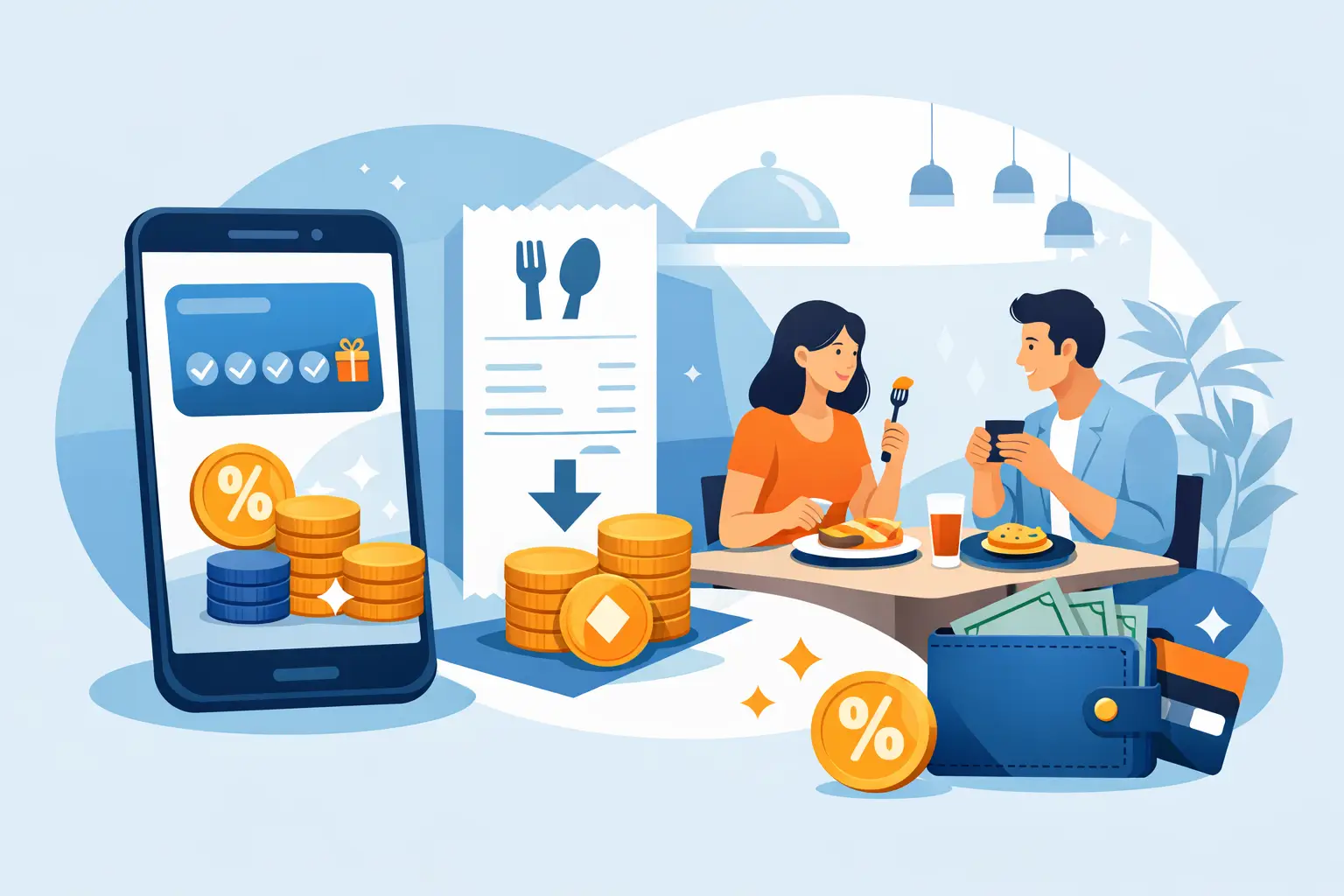
A good loyalty savings example is not about turning a fun night out into a maths lesson. It is about seeing how the meals, shakes and sweet treats you already love can add up to a little extra value over time. For Hamilton families, students and social crews, that can mean more reasons to say yes to fries with the burger, a shared sundae after dinner, or one more catch-up around the booth.
The best part? Loyalty savings tend to reward the visits that are already part of life: a quick post-school ice cream, Friday-night burgers, a birthday outing or a work crew lunch. When the rewards suit the way you dine, every visit feels like it comes with a little something extra.
What loyalty savings actually look like
Loyalty programmes can work in a few different ways. Some give members points for every dollar spent, with those points later exchanged for credit or treats. Others offer a reward after a set spend, member-only specials, birthday surprises, or a sign-up deal that makes the first visit even sweeter.
The exact value depends on the programme terms, how often you visit and what you order. A person grabbing one cone every few months will earn differently from a family making a regular diner night of it. Neither approach is wrong. The point is to choose rewards that fit your real habits, rather than spending extra just to chase a perk.
At Boofs Ice Cream Diner, the appeal is simple: classic diner favourites and premium ice cream give members plenty of delicious ways to make a return visit worthwhile. A smash burger lunch, a waffle-and-shake date, or a full table of hungry birthday guests can all contribute to the kind of repeat visits loyalty programmes are designed to celebrate.
A loyalty savings example with real-life diner plans
Let us use a simple illustrative scenario. This is not a promise of a particular reward or current offer, but an easy way to understand the numbers.
Imagine a loyalty programme gives you a $5 reward for every $50 you spend. Over a month, a family visits twice. On the first visit, they order two burgers, fries, drinks and a couple of kids’ ice creams for $62. The following weekend, they come back for waffles, shakes and a shared sundae, spending $48.
Together, that is $110. They would earn two $5 rewards for passing the $50 mark twice, leaving them with $10 to use on a future visit. That $10 might cover a simple dessert, take the edge off a round of thick shakes, or help turn an ordinary dinner into a proper treat night.
The saving is not huge in one hit, and that is the honest bit. Loyalty is usually a slow-and-steady win, not a reason to order four sundaes when one would do. But across familiar visits, small rewards can build into an extra reason to bring the crew back.
The student catch-up example
Now picture three mates stopping in after class. They spend $18 each on burgers, fries and floats, for a total of $54. If their programme rewards every $50 spent, that visit earns a $5 credit.
Come back next week with the same crew and the group could have another $5 saved. If they keep choosing a diner catch-up instead of splitting off in different directions, the rewards become part of the ritual. The value is not only financial. There is also something lovely about having a regular place where the booths, menu favourites and dessert debates are already part of the plan.
The birthday group example
Group occasions can make loyalty savings move faster, although it depends on whether the programme lets one member collect rewards on the full bill. Say a birthday table spends $240 on burgers, hot dogs, fries, floats and a towering round of desserts. Under our made-up $5-per-$50 example, that could create $20 in future rewards, with the remaining $40 carrying towards the next threshold.
That does not mean one person should always pay the whole bill just for points. Friends can settle up however they like. It simply shows why a loyalty account can be especially handy for the person organising family get-togethers, sports team celebrations or a work lunch. Check the programme rules before booking, especially for group bills, split payments and event packages.
How to get more value without spending more
The smartest loyalty strategy is wonderfully unglamorous: join before you pay, make sure your details are correct, and use rewards before they expire. A surprising number of savings disappear because a customer signs up after the receipt is printed or forgets they have credit waiting.
It also helps to think about your usual order. If the family already does Friday burgers once a fortnight, there is no need to change a thing. Scan or identify your account each time, then let the rewards tick along. If you only visit for a special occasion, a birthday reward or sign-up bonus may be more valuable to you than collecting points over months.
Keep an eye on emails, texts or member messages too. Loyalty programmes sometimes add limited-time extras, such as a treat for your birthday month, a bonus on selected days or a reward that suits a seasonal menu. These offers can be great value, but only if the timing works for you. A deal is not really a deal if it sends you out for dessert when you would rather be on the couch.
The trade-offs worth knowing
Loyalty rewards are designed to encourage return visits, so they are most useful when you genuinely enjoy returning. If you are travelling through Waikato once, a programme with a high spend threshold may not deliver much value before you leave. If you live nearby and love a regular scoop, shake or burger night, it can be a cheerful little bonus.
There may also be conditions around reward expiry, minimum spends, exclusions, account sharing or whether rewards can be used alongside another promotion. These details are not meant to spoil the fun. They help you decide when to use a reward and avoid an awkward surprise at the counter.
For parents, the biggest benefit may be predictability. A saved reward can soften the cost of an unplanned after-school treat. For students, it might make a shared fries-and-shakes session feel more doable. For social organisers, it can provide a future excuse to get everyone together again. The right kind of savings looks different for every table.
Make each reward feel like a treat
When a reward lands in your account, do not feel pressure to spend it on the most practical item. This is diner territory. Use it to add the hot fudge, try the float you have been eyeing up, share a scrumptious sundae, or give the kids a surprise dessert after a family meal.
That is where loyalty programmes shine. They turn repeat custom into a small moment of delight, without asking you to become a coupon expert. Join when it suits your habits, read the current terms, and let your next reward become the delicious excuse for one more memory around the table.