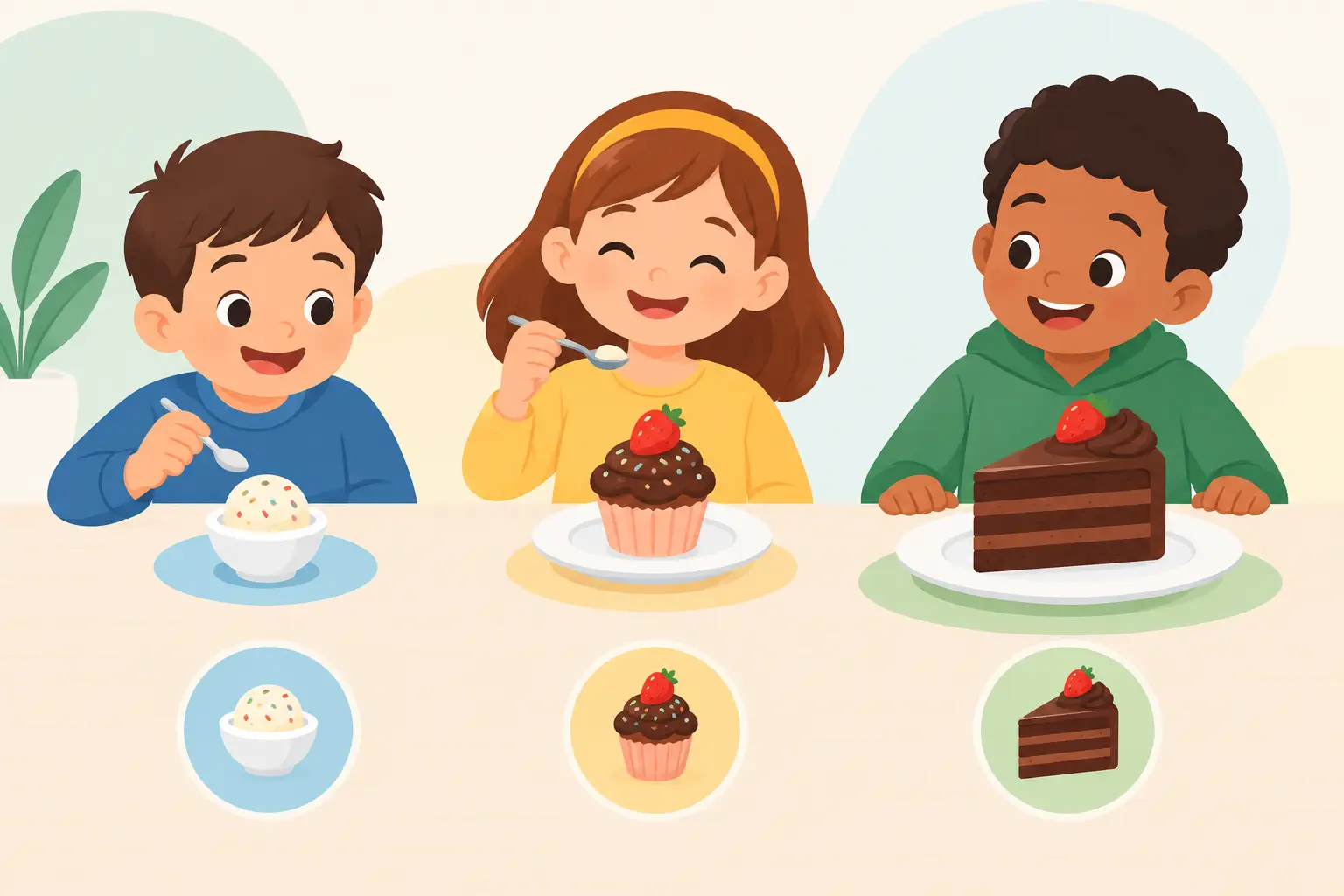
A towering sundae can make a child’s eyes go wide before the first spoonful even lands. That is part of the fun. A good kids dessert portion guide is not about taking the sparkle out of a diner treat – it is about matching the dessert to the moment, so kids get the delicious blast from the past they were hoping for without everyone leaving the table uncomfortably full.
For families, dessert is often more than food. It is a Friday-night reward, a birthday outing, a school-holiday stop, or the grand finale after burgers and fries. The trick is choosing a portion that still feels generous and exciting for your child, while making room for the rest of the meal and reducing the chance of half a sundae heading for the rubbish.
Start with the occasion, not the biggest dessert
There is no single perfect serve for every child. Appetite changes with age, activity, how much lunch was eaten, and whether dessert follows a full diner meal or is the main event of an afternoon catch-up. A child who has just polished off a burger, fries and a fizzy drink may only want a few splendid bites of ice cream. Another who has spent the afternoon at sport might happily tackle more.
The best place to start is with a simple question: is dessert the extra, or is dessert the outing? If it is the extra after dinner, think smaller, shareable or easy to take away. If the family has come specifically for waffles, shakes or ice cream, a more indulgent choice can make sense – especially when it is shared around the table.
That approach keeps treats fun rather than turning them into a negotiation. Nobody needs a lecture when there is whipped cream in sight.
A practical kids dessert portion guide by age
Age gives a useful starting point, but it is not a rulebook. Some younger kids eat like sparrows; some older children arrive hungry enough to surprise you. Use these ranges as a friendly guide, then follow your child’s appetite.
For toddlers and preschoolers, a few spoonfuls to a small single scoop is usually plenty, particularly after a meal. They often love the theatre of a dessert more than the volume: a bright topping, a cherry, a drizzle of sauce or getting to hold the spoon can feel like the whole occasion.
For primary-school-aged kids, a small sundae, a single scoop with one or two toppings, or a shared waffle portion is often a satisfying fit. They are more likely to have a clear preference for flavour and toppings, which makes a smaller dessert feel special when they get to choose it.
For older kids and teenagers, portions can look closer to an adult treat, especially if dessert is replacing a snack or shared meal. Even then, a loaded shake or a giant sundae can be richer than it looks. Sharing one showstopper between two people can be the sweet spot: enough for the photos, the flavour and the fun, without the post-dessert slump.
Match the dessert to the meal
A diner table can fill up quickly. Smash burgers, hot dogs, crispy fries, floats, waffles and sundaes all have their own irresistible pull, so portion choices work best when the whole order is considered.
After a lighter meal, a child may be ready for a more substantial dessert such as a waffle or a petite sundae. After a big burger-and-fries feast, something simpler often hits the mark: a scoop, a smaller shake, or a few shared bites from Mum, Dad or an older sibling’s dessert.
Richness matters as much as size. A thick shake with cream and sauce may be more filling than a bowl that looks larger. A warm waffle topped with ice cream is a proper dessert event, while a scoop in a cup is easier to pace and easier to finish. Neither is better – they simply suit different appetites and occasions.
If your child has dietary requirements or allergies, let the team know before ordering. It is always easier to choose a treat with confidence when the right questions are asked upfront.
Sharing is the diner superpower
Sharing is not a compromise at a retro diner. It is part of the experience. One loaded dessert in the middle of the table creates a little bit of ceremony: extra spoons, first dibs on the best topping, and the serious family debate over who gets the last bite.
For younger children, sharing with an adult is often the easiest way to keep a dessert portion comfortable. You can order the flavour they are excited about, give them a few spoonfuls, and enjoy the rest together. It also gives parents a chance to judge whether the child genuinely wants more before ordering another item.
For siblings, choose one larger item when they agree on flavours, or order two smaller treats when they do not. The trade-off is simple. A shared sundae brings maximum wow factor and less waste, while individual scoops let each child have their favourite without any spoon-related drama.
At parties and group celebrations, a mix works brilliantly. A centrepiece waffle or sundae can be the photo-ready hero, with smaller ice creams or drinks for the kids who only want a little something. That way, every guest gets in on the scrumptious action without parents having to guess one standard portion for everyone.
Let kids choose within a smart boundary
Giving children some control makes dessert feel more exciting. Rather than asking an open-ended question when they are staring at a menu full of delectable possibilities, offer two choices that both work for the occasion.
You might say, would you like your own small ice cream, or would you rather share a sundae with me? Or, would you like a shake today, or a scoop with your favourite sauce? They still get the thrill of choosing, while you have already set a portion that makes sense after the meal.
Toppings are a brilliant way to make a smaller serve feel bigger in personality. A favourite sauce, sprinkles or a little whipped cream can turn a simple scoop into a proper treat. For plenty of kids, that custom touch matters more than an enormous bowl.
Pace the treat and keep the fun going
Dessert does not need to be raced. If the table is busy chatting, taking photos or choosing songs for the drive home, kids naturally slow down and notice when they have had enough. That is especially useful with cold desserts, which can be surprisingly filling once the first burst of excitement settles.
A few practical moves help. Order dessert after the mains are finished rather than all at once, unless you are there specifically for sweets. Ask for extra spoons when sharing. If a child is clearly done, do not push for the final bites just because it was ordered. And if there is a suitable take-home option, save the rest for later rather than forcing a finish.
Parents do not have to make dessert perfect. Some days call for a single scoop after tea. Other days call for a glorious, sauce-drizzled sundae because it is a birthday, a family reunion, or simply because the kids have earned a little fun. The aim is to choose deliberately, not cautiously.
When a bigger dessert is exactly right
There are moments when the generous option is the whole point. A birthday celebration, a holiday treat, a post-game family meal, or a first visit to a classic American-style diner deserves a bit of occasion. A bigger dessert can become the memory everyone talks about on the way home.
The secret is to make it social. Bring the family together around one fabulous creation, let the birthday kid claim the first spoonful, and enjoy the spectacle without expecting one small person to conquer it alone. At Boofs Ice Cream Diner, that is where an indulgent dessert becomes part of the outing, not just the final course.
The most helpful rule is beautifully simple: order enough for your child to enjoy the treat, then leave room for them to decide when they are satisfied. A dessert shared with laughter, sticky spoons and a happy little grin is always the right size.