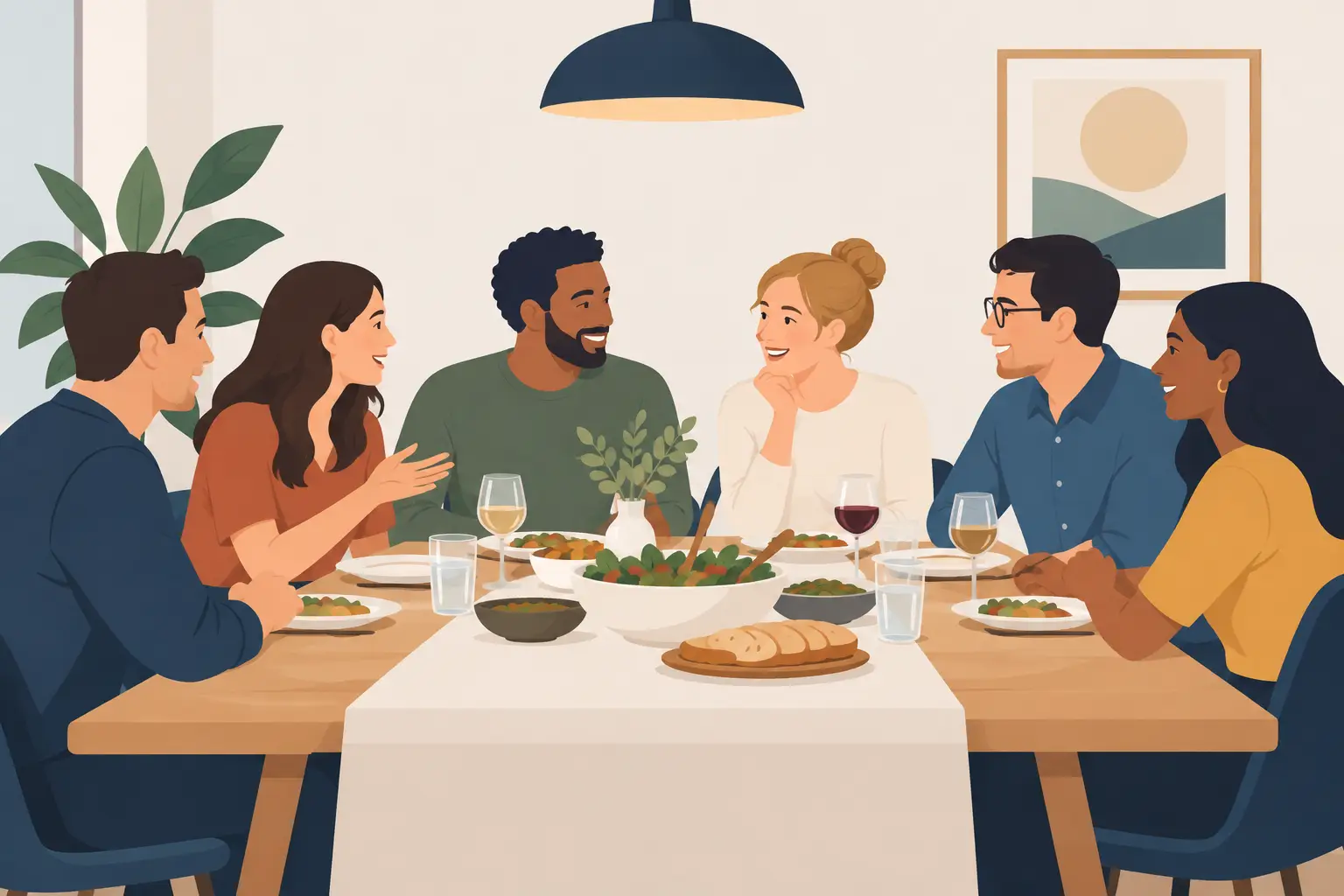
A group dinner should start with hungry people and end with full bellies, loud laughs and at least one photo nobody is allowed to post without approval. Yet learning how to plan group dinners can feel strangely like managing a small festival: dietary needs, late replies, tight budgets, kids, parking and that one mate who says, “I’m easy,” then vetoes every option.
The trick is not trying to make every detail perfect. It is making a few smart decisions early so everyone can relax once the burgers hit the table and the shakes start arriving. Here is how to turn a potentially chaotic group catch-up into a properly delicious night out.
How to plan group dinners with less back-and-forth
Start with the occasion, not the menu. A birthday dinner needs a little more theatre than a quick Tuesday catch-up. A work team meal may call for easy ordering and enough room to chat. A family gathering needs options for little kids, hungry teens and adults who will absolutely be tempted by dessert even after announcing they are “just having something small”.
Once you know the reason everyone is getting together, choose a date and time that suits the majority. Waiting for 100 per cent availability is how a dinner becomes an abandoned group chat. Offer two clear options, ask people to respond by a specific day, then lock it in. If someone cannot make it, they can join the next one.
Keep the invitation simple and decisive. Include the date, arrival time, venue area, expected spend and whether people need to confirm their spot. For a larger group, it also helps to mention if you are planning to share starters, split bills individually or collect money ahead of time for a set menu. Nobody loves an awkward payment huddle at the end of a great night.
Pick a venue built for mixed appetites
The best group dinner venue does not force everyone into the same mood. One person might be keen for a stacked smash burger, another wants fries and a float, the kids want waffles, and somebody is already scanning the dessert menu. A place with broad, familiar choices keeps the planning easy and the table happy.
Look for a venue that can comfortably accommodate your number, especially if your group is bigger than six. Check whether booking is recommended, whether there is room for prams or high chairs, and whether the atmosphere matches the occasion. A casual diner works brilliantly for birthdays, sports-team celebrations, family catch-ups and work functions because it feels special without becoming stiff or fussy.
Location matters too. A central spot with straightforward parking or easy drop-off makes a bigger difference than people admit. If half the group is travelling across Hamilton after work or school, convenience can be the detail that gets everyone there on time.
Give people a real deadline to RSVP
A vague “Who’s in?” message invites vague answers. Instead, ask for a yes or no by a time that gives you enough room to finalise the booking. For a small group, two or three days may be plenty. For a birthday, work function or school-holiday outing, give people a week and send one friendly reminder.
Ask about dietary requirements when people RSVP, not as a last-minute question while everyone is already seated. You do not need a spreadsheet worthy of a rocket launch. A short note with names and needs is enough: vegetarian, gluten-free, dairy-free, allergies, or children who only eat food in a very particular shade of beige.
It is also worth confirming the final headcount with the venue a day or two beforehand. People do get sick, schedules change and someone will inevitably remember a prior commitment. A confirmed number helps the team prepare your table properly and keeps the night running smoothly.
Make the menu part of the fun
Group dinners work best when ordering does not become a 25-minute committee meeting. A menu with crowd-pleasers gives everyone an easy win: burgers for the savoury crew, hot dogs for the classicists, loaded fries for the table, waffles for the sweet tooths and thick shakes for anyone who believes dinner should come with a straw.
If you are organising a birthday or celebration, think about the rhythm of the meal. Start with shareable sides so people have something to nibble while the whole group arrives. Let mains do the serious work, then make dessert the grand finale. Big sundaes, banana splits, floats and waffles create that delicious blast-from-the-past energy that turns a meal into an occasion.
There is a trade-off with sharing food. It is social, generous and great for trying more flavours, but it can get tricky when dietary needs or appetites vary. Shared fries are usually easy. Shared mains are less so. A good middle ground is to order a few share plates for the table while letting everyone choose their own main and dessert.
At Boofs Ice Cream Diner, that mix of classic diner favourites and indulgent ice cream treats makes it easy for a group to build its own kind of celebration, whether the table is full of burger fans, waffle devotees or people who came “just for dessert”.
Set a comfortable budget before anyone arrives
Money is often the least glamorous part of planning, which is exactly why it should be addressed early. Let guests know the likely spend in the invite, particularly for students, families and larger groups. People are far more comfortable saying yes when they know whether it is a quick casual feed or a full dinner-and-dessert night.
You do not need to dictate what everyone orders. Just give a realistic guide. For example, tell the group that mains, drinks and desserts are available at different price points, or suggest a budget range based on how you expect the evening to run.
For birthdays, decide ahead of time whether the organiser is shouting the guest of honour, whether everyone chips in, or whether each person pays for themselves. Sorting this quietly before dinner means nobody has to do mental maths over melting ice cream.
Plan for the people, not just the booking
A group dinner feels welcoming when the practical stuff has been considered. If children are coming, book at a time that does not collide with bedtime meltdowns. If it is a work crowd, allow enough time after finishing for people to travel over and settle in. If your group includes grandparents or younger kids, a slightly earlier sitting may suit better than a late one.
Think about the social mix as well. A table of close friends can handle a louder, longer night. A group where people are meeting for the first time may appreciate a relaxed venue and a simple plan. Food is a brilliant conversation starter, especially when there are outrageous sundaes landing nearby, but nobody needs forced games or a colour-coded seating chart unless that is genuinely your group’s thing.
For a bigger celebration, nominate one person to be the contact on the night. They can greet late arrivals, answer basic questions and communicate with the venue if plans shift. This is not about becoming the dinner captain. It simply stops five different people from giving five different answers.
Keep the night moving, but do not over-schedule it
The best group dinners have a little shape without feeling like an itinerary. Aim for a clear arrival time, allow a window for ordering, and save any birthday cake moment, toast or group photo for when everyone is actually there. If you know the table will be popular, encourage guests to arrive on time rather than drifting in an hour late.
Avoid packing too much into the same evening. Dinner followed by a movie, bowling, dessert somewhere else and a late-night drive across town can sound exciting in a group chat, but it often means people spend more time organising than enjoying themselves. A lively diner meal with great food, proper desserts and good company can be the whole event.
If you are celebrating something big, add one small personal touch. Bring a card for the birthday person, organise a group photo, or ask everyone to share a favourite memory. Keep it warm, quick and natural. The point is to make the guest of honour feel seen, not to trap them in a speech while their fries go cold.
A great group dinner starts with an easy yes
The most memorable dinners are rarely the ones with the most complicated plan. They are the ones where people can say yes quickly, find something they genuinely want to eat, settle around the table and stay a little longer because the night feels good. Pick a welcoming spot, give the group a clear plan and leave enough room for a second round of fries or an outrageously scrumptious sundae.